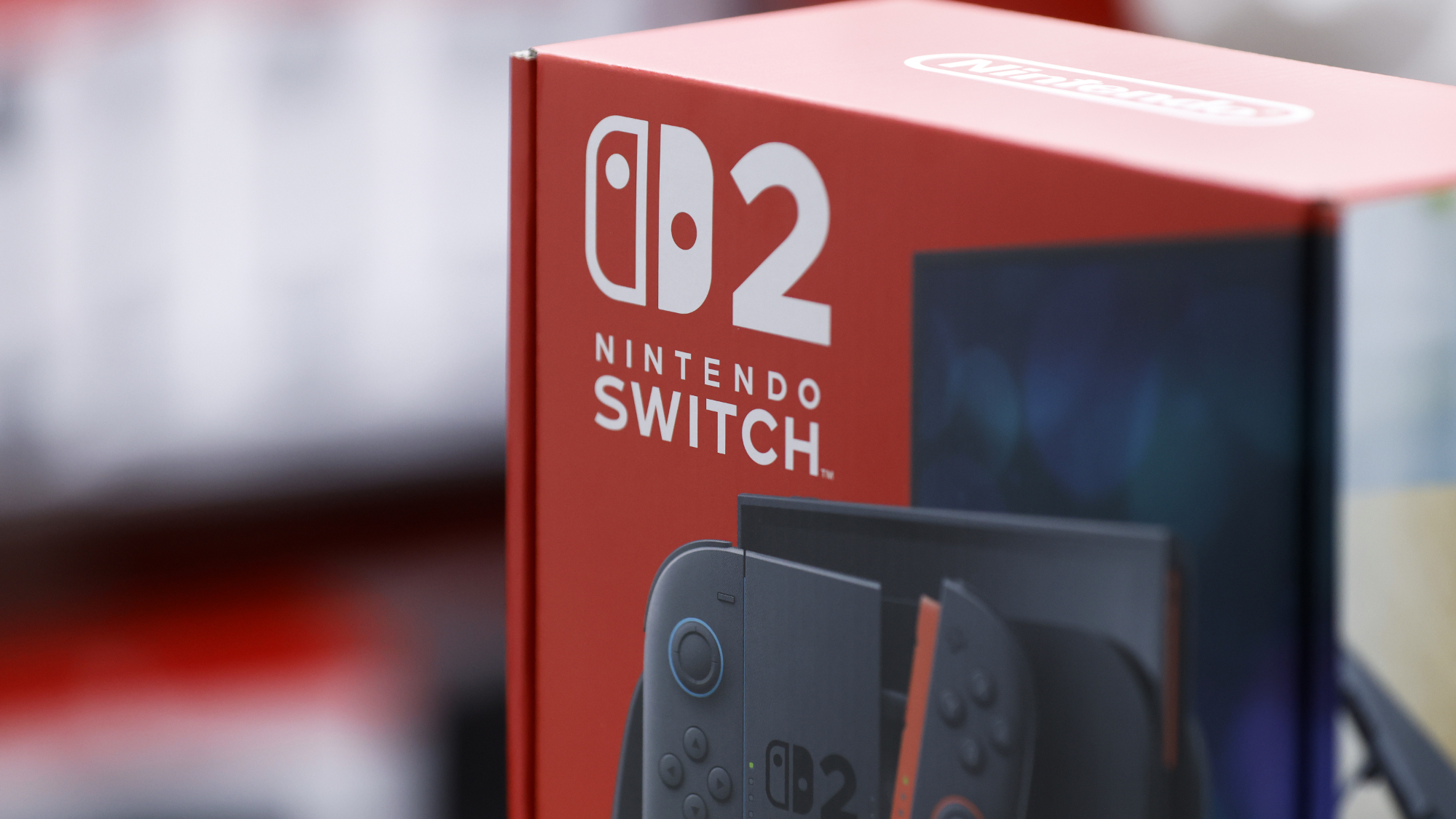
The Nintendo Switch 2 boasts an impressive 120 Hz display, a significant upgrade promising smoother visuals and a more immersive gaming experience. However, recent insights from testers suggest that while the screen supports a high refresh rate, its response times might not be up to par for games running at 60 Hz, potentially impacting visual fluidity.
The 120 Hz Promise
At the heart of the Switch 2’s visual prowess is its 7.9-inch LCD screen, delivering Full HD (1920×1080 pixels) resolution. This display not only supports a remarkable 120 Hz refresh rate but also incorporates HDR10 for enhanced color and contrast, alongside Variable Refresh Rate (VRR) technology. VRR is crucial for minimizing screen tearing and ensuring a smoother visual output, especially in graphically demanding titles.
The Response Time Reality
Despite the high refresh rate capability, a notable concern has emerged regarding the display’s response times. Testers indicate that the panel’s response is considered too slow for optimal 60 Hz gaming. This means that even if a game is running at a consistent 60 frames per second, the display’s inability to refresh pixels quickly enough could lead to noticeable motion blur or ghosting, diminishing the perceived smoothness and overall visual clarity. This discrepancy highlights a potential bottleneck where the screen’s raw refresh rate capability doesn’t fully translate into a perfectly crisp experience across all framerates.
Beyond the Display: Comprehensive Enhancements
The Switch 2’s advancements extend far beyond its screen. Under the hood, a custom GPU based on the Ampere architecture is designed to deliver stunning visuals, enabling 4K gaming at 60 fps when docked to a TV and maintaining fluid 1080p performance in portable mode, further enhanced by the 120 Hz VRR. The console also features upgraded Joy-Con 2 controllers, equipped with improved sensors and ultra-low latency, promising more precise and responsive gameplay, particularly in action-oriented and multiplayer titles.
Connectivity sees a boost with Wi-Fi 6 support and a built-in LAN port on the dock, ensuring stable and fast online gaming sessions. For storage, the Switch 2 supports microSD Express cards, offering significantly faster data access, though compatibility with this standard may initially be limited. Furthermore, new integrated social features like GameShare and GameChat aim to streamline game sharing and communication directly from the console, fostering a more connected gaming community.
Balancing Innovation and Performance
The Nintendo Switch 2 clearly represents a significant leap forward in portable gaming technology, particularly with its advanced display and powerful internal components. While the 120 Hz screen and VRR support are exciting additions, the reported challenges with response times for 60 Hz content suggest that even cutting-edge hardware can have nuanced performance characteristics. Gamers seeking the absolute smoothest experience across all titles might notice this particular aspect, but the overall package of enhanced graphics, improved controls, and robust connectivity still positions the Switch 2 as a compelling evolution in the handheld console market.
Source: